.png?width=604&height=318&name=Siljes%20Corner_%20mega%20nav%20promo2%20(1).png)

In a nutshell: Time tracking helps you comply with the law, keep track of payroll and absenteeism, and empower your employees. It's not about monitoring, it's about making working hours clear and manageable.
Working hours, AI and responsibility
The world of work is changing rapidly. With flexible working hours, AI, hybrid working and new expectations, it's easy to lose track. But one thing remains the same: You're still responsible for knowing when people are working and how much.
Time tracking isn't just a routine for HR or payroll. It's the very foundation of smart resource management. And for both you and your employees to be able to plan, not just see what happened afterwards. AI and automation give us new tools, but they rely on data. Without hours? No insights. Just guesswork.

What does the law say?
According to section 10-7 of the Working Environment Act, the employer must have an overview of the individual's working hours, including flexitime and home office. The documentation must be available if the Labor Inspection Authority asks.
Why is this more important than ever?
Everyday working life is more flexible than ever. We work from different places, at different times - often across projects and roles. This gives us freedom, but it also makes it harder to keep track. Good time tracking gives you control:
-
hours, overtime and breaks
-
vacation and absence
-
flex and extra hours
-
resource use on projects
-
invoice basis and budgeting
How do you make it easy in 2026?
Hint: Don't save up and do everything on Friday. No post-its. And preferably not "I think I worked seven hours yesterday". What works now is mobile-friendly, automated and accessible time tracking - that actually gets used. And soon you'll get it right in Huma.
Sign up for our newsletter here and we'll keep you updated on when it happens.
What can you do in the meantime?
The most important thing is to start. You don't have to wait for tools to give you structure.
Here are three quick steps:
-
Agree internally: What are you going to lead and why?
-
Set a rhythm: When are hours kept? Who will follow up?
-
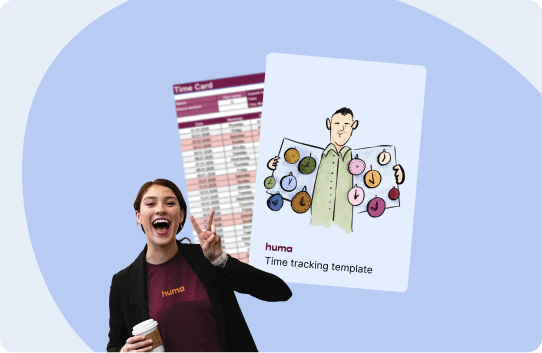
Start simple: Download our free timesheet template.
2026 is the year you take back control
With new demands, new ways of working and higher expectations of flexibility, it's becoming increasingly important to keep track of your hours. Time tracking gives you insight. An overview. And peace of mind. For managers, for employees - and for anyone who needs to know what their time is really spent on.