.png?width=604&height=318&name=Siljes%20Corner_%20mega%20nav%20promo2%20(1).png)

If we are to believe the EU, Norway and Sweden, 2026 is the year of the new laws, and that's pretty good, honestly. That's because there are laws that essentially make it much more pleasant to be an employee. Some of the laws come into force in June, while others are already in force. Some of them are EU-wide (including countries that are part of the EEA agreement), while two of them are more local. And since we - and probably many of you - are transnational companies, we're including them all in the same blog post.
So which laws are they?
The new laws from the EU are the Pay Transparency Directive and the new AI legislation. On a more local level, we have new changes to the Norwegian Working Environment Act and the Swedish AFS (Arbetsmiljöverkets författningssamling). We're not going to go through all the laws in detail. This is more of a reminder from your friendly HR system about things you need to keep in mind.
The EU Pay Transparency Directive
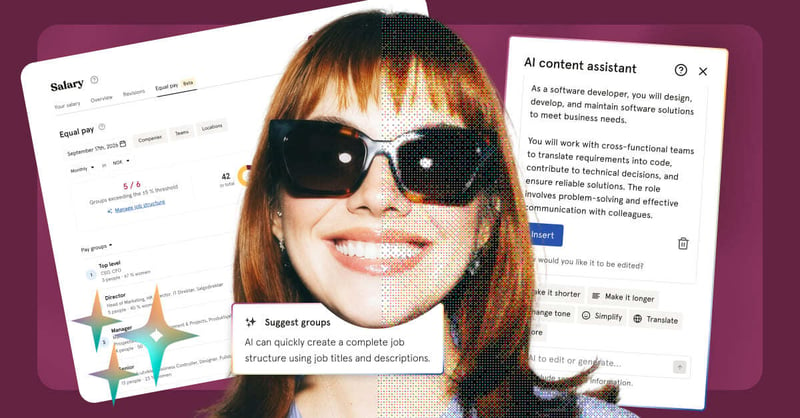
One of the most important tools in the fight against gender pay discrimination comes from the EU and goes into effect on June 7. We are aware that both Sweden and Finland have postponed the implementation of the new law for various reasons, but it is still wise to be prepared already now. As for Norway, a separate version will eventually come into force as part of the EEA agreement.
See Silje's Corner: The Sofa Sessions on the EU Pay Transparency Directive here.
The EU AI Act
In January, Finland pioneered as the first country to introduce the EU AI Act. The directive is mainly about risk when using AI. This means that you must set up systems for risk management. You must also ensure good data quality if you use data to train AI. You must be able to document that you are complying with the law, be transparent about how the systems are used and ensure that all AI systems are monitored by humans.
The AI Directive operates with four levels of risk. You can read more about them here.
AFS 2015:4 Sweden's OSA regulation
Okay then. This law is not new this year. It's more than 10 years old, but it's still relevant again this year. The law is about the organizational and social working environment and is intended to protect employees. But why has it become so relevant this year? After all, it's an old law that most employers should know about by now? Well, maybe not well enough, because this year the law will be more enforced and monitored, so if you don't already have your affairs in order, now really is the time.

AML §4-3 psychological working environment
This law has already come into force - as early as January 1, 2026 in fact. But that doesn't mean it's not relevant to this blog post. Our (slightly unqualified) guess is that not many Norwegian companies are fully aware of the new Working Environment Act, and that's not surprising. After all, it's hard to keep up with every single change in the law.
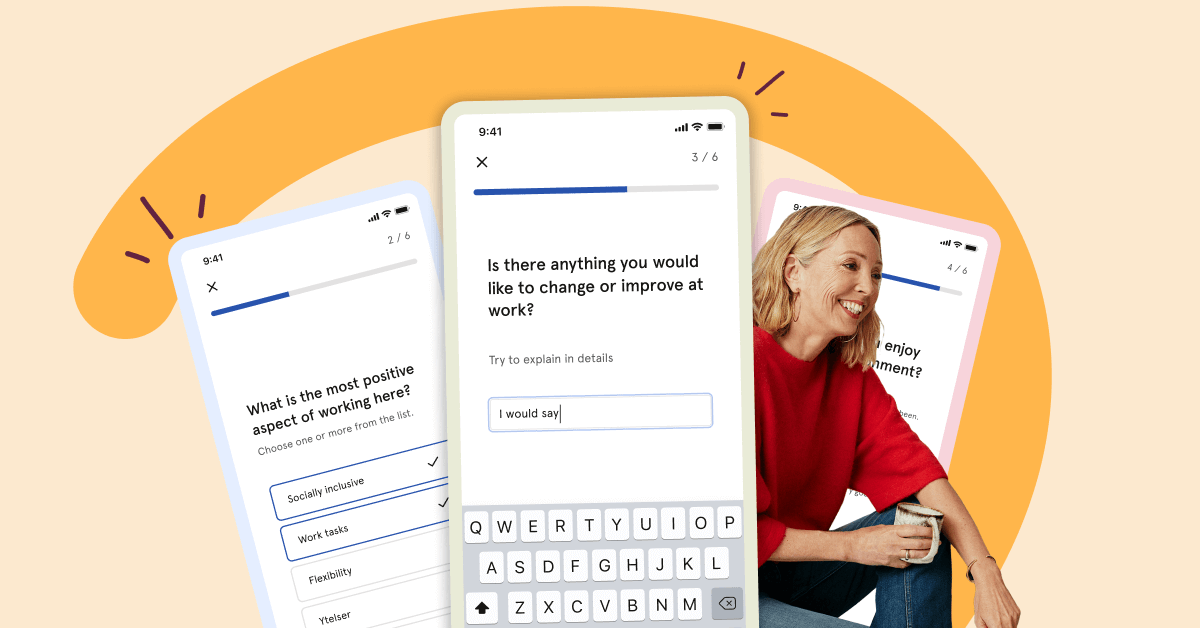
But what is the change in the law about? In a nutshell, it means that companies have a greater responsibility to prevent psychosocial conditions that are harmful to health, such as excessive pressure, unclear requirements, emotional strain and harassment. The psychosocial working environment must now be given the same high priority as the physical working environment and HSE.
You can read more about the law in this blog post we have written together with our partner Re Boot.
Quickly summarized
Legislative changes and new laws keep coming, and sometimes they affect companies. This time it was the Pay Transparency Directive and the AI Directive that affect all companies in the EU or that are part of the EEA agreement. In Sweden, a law on the working environment has been tightened up, which means that it will be enforced even more from now on, while in Norway a brand new law has been introduced to ensure a better psychological working environment for all employees.