Equal pay doesn't have to be difficult

Get a simple handle on the legal requirements around pay equity

EN_Hero_EU-pay-transparency_2026_header-1


Nordic employers have long been required to work systematically on pay equity. Many don't know this. Even fewer have a plan or documentation in place. Huma makes both straightforward.

A Smoother Workday for Admins and Employees

“It was either Huma or nothing!”

forte_logo_2026_feb

Here's what Huma can help you with

Easy to set up: Huma does it for you

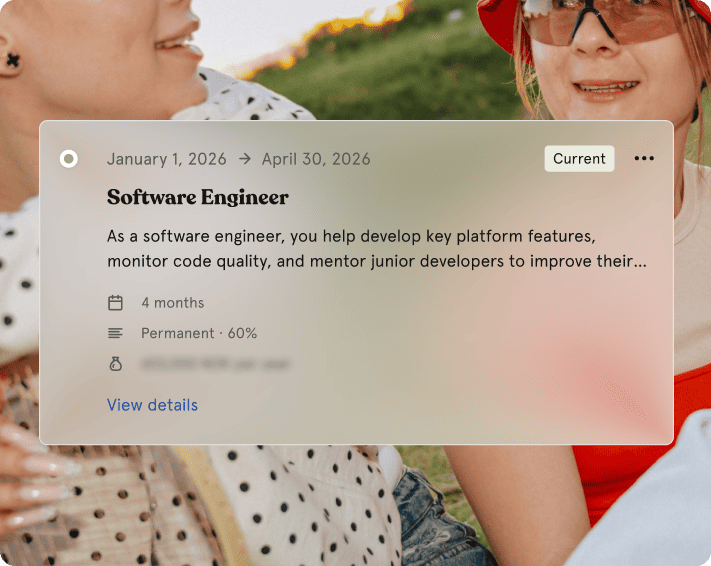
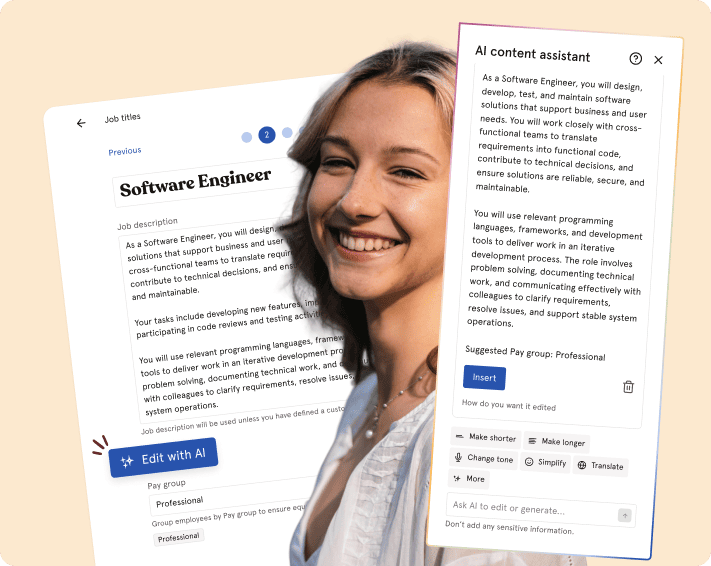
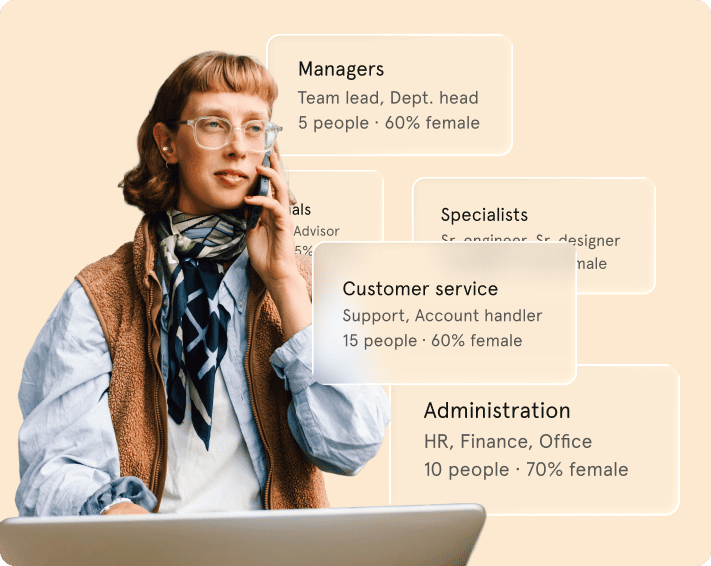
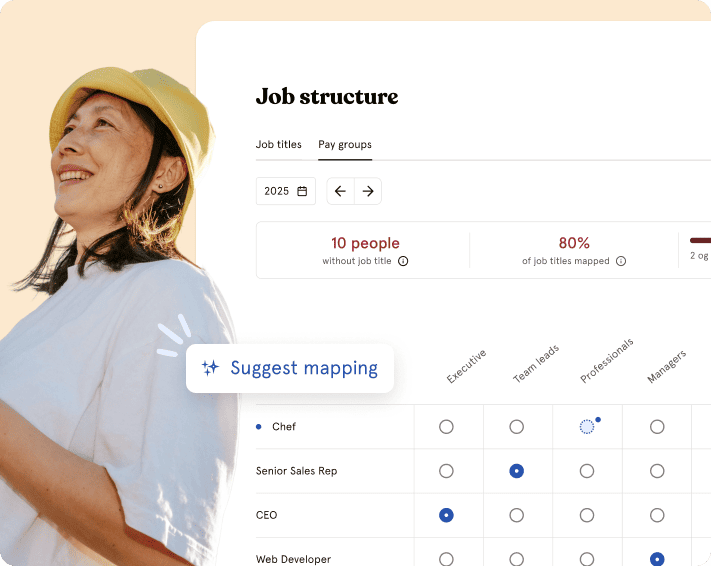
Create job titles, job descriptions, and group employees into equal pay groups based on objective, gender-neutral criteria. This makes it easier to explain people’s salaries and provide a basis for why they are what they are. This saves time and eliminates stress.

Read more about how Huma handles personnel data

EN__EU-pay-transparency_2026___employees-informed_2

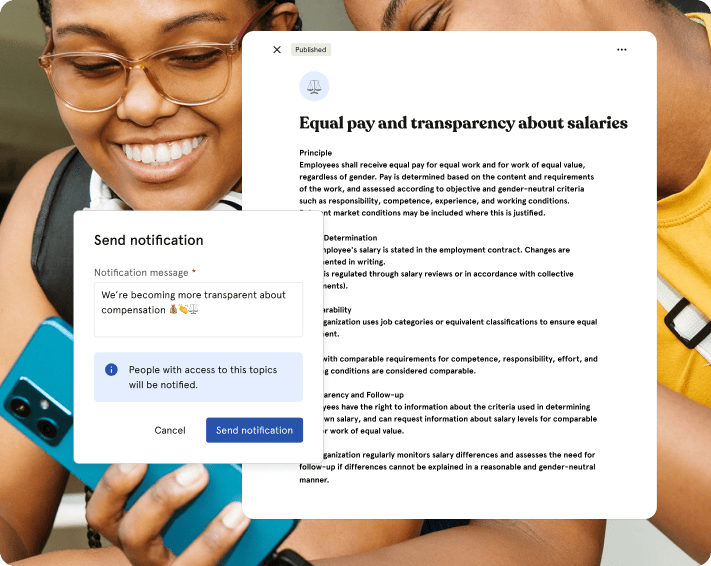
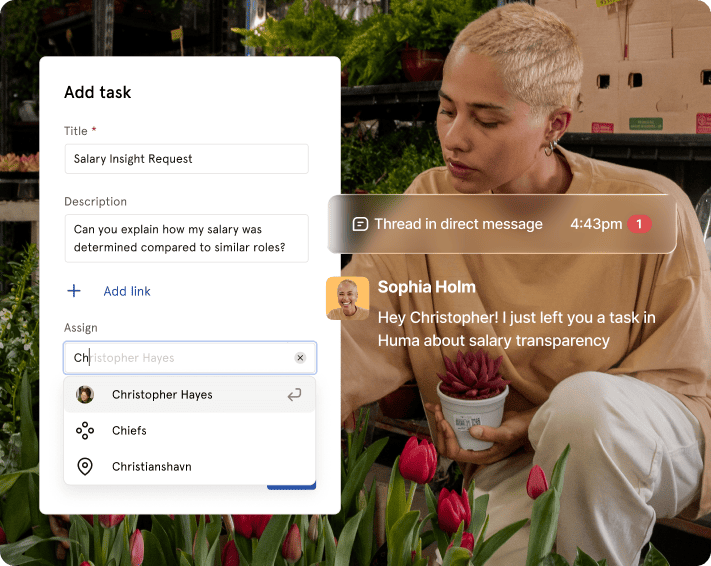
Keep employees informed

EN__EU-pay-transparency_2026___carousel_4

Find the Pay Gap

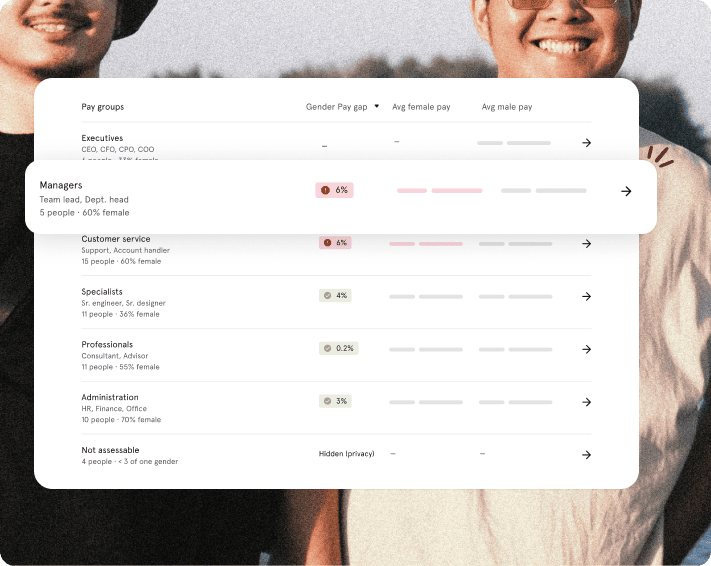
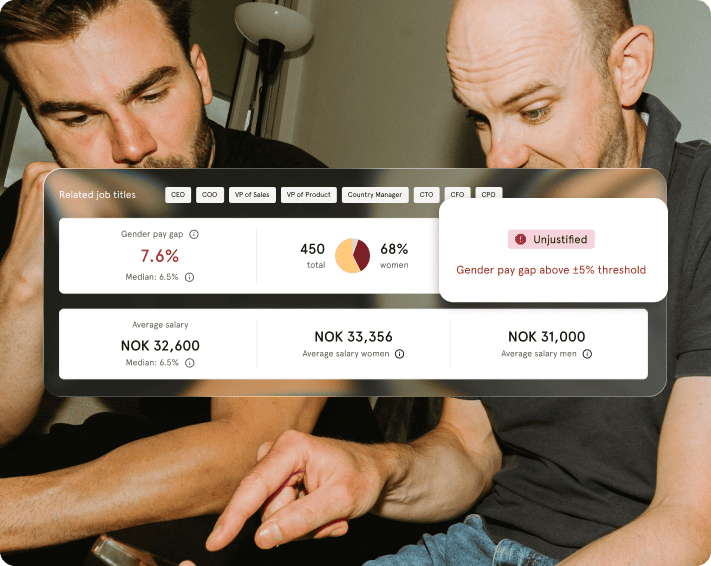
In Huma, you can get a clear overview of pay gaps between women and men within the same group or across your company as a whole. This provides a basis for easy analysis and potential explanations or corrective action.

Read more about pay in Huma

EN__EU-pay-transparency_2026___employees-informed-1

Ready when the EU directive kicks in

The directive has been adopted in the EU, but Norway and the other Nordic countries have delayed implementation. Still, it makes sense to start now. If you've begun your pay equity work in Huma, you'll be well ahead when the requirements arrive.

What's coming: reporting of pay gaps, a requirement to explain gaps above 5%, and employees' right to pay transparency. Huma will cover this when the directive is finalised.


EN_Hero_EU-pay-transparency_2026___carousel_2-1

HR explained: What does the EU Pay Transparency Directive mean for you?

In 2023, the EU decided to introduce a new directive aimed at closing the gender pay gap. Time is quickly running out, as the directive will be implemented in June 2026, so let’s take a look at what it means for you — whether you’re an employer, an employee, or a job seeker.

Read more

H̶u̶m̶a̶ Mathias Ponders: Five proposals for new EU directives

There’s a lot of bad culture and unfairness in working life. Some things are just plain rubbish. The EU has now introduced the Equal Pay Directive to fix one of these injustices — the gender pay gap. Here are my five suggestions for new EU directives.

Read more

Silje's Corner: The Sofa Sessions – The EU Salary Transparency Law and what it actually means for you

There’s been a lot of talk about the new EU directive on pay transparency, and for good reason. It’s one of the biggest HR changes coming in 2026. But amid all the headlines, guidelines, and opinions, it can be hard to understand what it actually means for your business. In this episode of Silje’s Corner: The Sofa Sessions, Silje and her friends show you how to get ready—plain and simple.

Click here

4 HR Requirements Nordic Employers Can No Longer Put Off

New HR requirements are here — or on their way. Nordic businesses need to take note. Two come from the EU, one is specific to Norway, and one is worth knowing if you operate in Sweden. Here's what's changing.

Read more here

Frequently Asked Questions

Does the directive apply to my company if we have fewer than 100 employees?

Yes, but only companies with more than 100 employees are required to report the gender pay gap. The rest of the directive applies to all companies in the EU.

Do employees have the right to know exactly how much their coworkers earn?

No, not as an individual. Employees have the right to know their own salary level and the average salary level for positions of equal value to their own or for positions similar to their own.

What happens if the report shows that we have a pay gap of more than 5%?
If the pay gap between comparable positions exceeds 5%, you must be able to justify it using objective, gender-neutral criteria. If you cannot justify it, you must work with employee representatives to develop a concrete action plan to close the gap.
When do companies need to have this in place?

Although the official implementation date for the Pay Transparency Directive is June 7, 2026, you may not need to have everything ready by that date. In Finland and Sweden, the directive has been postponed indefinitely. As for Norway, the country is not part of the EU but will adopt its own version of the directive through the EEA Agreement. However, even though the directive has been postponed for some, it’s a good idea to be prepared now to avoid running into problems when it takes effect.

Group 926 (2)-png

Simpler pricing. Simpler processes.